
How to Compare Pre-Match and Live Markets: A Beginner’s Step-by-Step Guide
If you want a direct answer: compare pre-match and live markets by treating the pre-match price as your research baseline and the live price as a real-time reaction to events on the field. The winning habit is not picking one format and sticking to it; it is learning how to read the gap between the two. This guide walks you through the preparation, the rules, the exact steps, and the errors that usually trip up beginners who try to do both at the same time.
The Short Answer Before You Read the Rest
Pre-match markets reward preparation. Live markets reward adjustment. A pre-match price reflects everything that happened up to kickoff: injuries, lineups, tactics, form, weather, and public money. A live price reflects all of that plus whatever has happened in the current match: goals, cards, momentum, fatigue, and tactical switches. When you compare them, you are essentially comparing a static forecast with a moving one. Your job is to spot the moments when the live market overreacts or underreacts to an event, relative to the pre-match picture you already built.
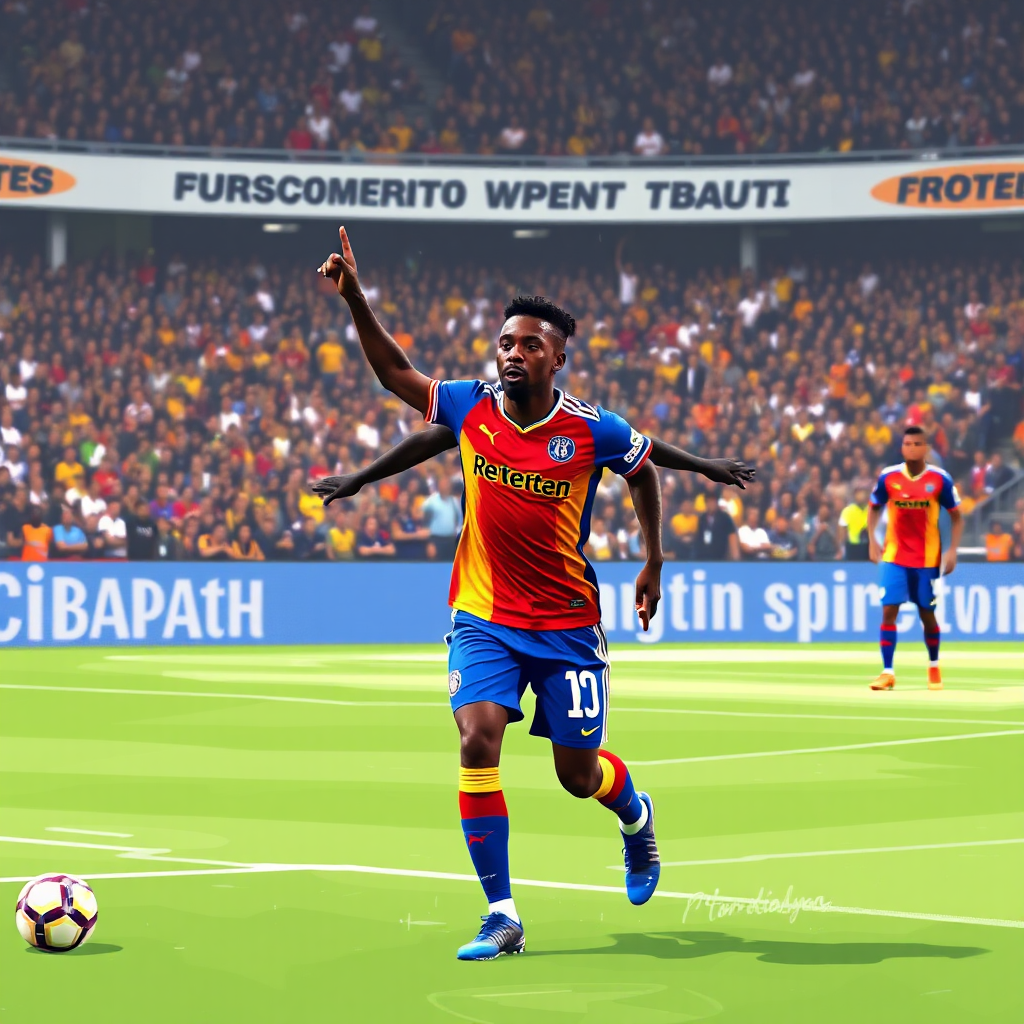
 Hình minh hoạ: Sunwin
What to Prepare Before You Start Comparing
You do not need expensive software to start, but you do need a few tools and decisions in place. The checklist below is the foundation of everything that follows.
- Pick one sport and one league. If you jump between football, basketball, tennis, and esports within the same week, you will never build a reliable baseline. Start with a single league you already understand.
- Set a bankroll and a session limit. Decide the total amount you can afford to lose and never cross it. This is not a motivational phrase; it is the only rule that keeps you in the game long enough to learn.
- Use a spreadsheet or a simple note app. You need to record odds, times, and match events. Memory is not reliable enough for comparing live movements after the match ends.
- Learn how odds convert to implied probability. The formula for decimal odds is simple: 1 divided by the decimal odds. A price of 2.00 implies a 50% chance, before the bookmaker margin is removed.
- Choose your core comparison markets. For football, that means match winner (1X2), over/under 2.5 goals, and one handicap market. Three markets are enough. Beginners who track 10 markets usually stop tracking after the first week.
- Check the rules of the platform you use. Different sites use different margins, minimum staking requirements, and live bet settlement rules. Make this part of your preparation, not a surprise you discover mid-match.

Why Pre-Match and Live Odds Behave Differently
The difference is not random. Pre-match odds are set by analysts and then gradually adjusted by betting volume. By kickoff, you are looking at the market’s final consensus. Live odds, on the other hand, are recalculated continuously by automated pricing models that react to every piece of match data: shots, possession, expected goals, fouls, and even stoppage time.
This creates three practical consequences for you. First, pre-match odds have more depth: the margins are usually tighter and the bookmaker has more time to balance the book. Second, live odds move faster and with larger gaps, because the pricing model is prioritizing speed over precision. Third, the time element means live markets are influenced by how much game time remains. A 0.5-goal over/under line looks completely different in the 40th minute than in the 70th minute.
There is also a psychological layer. As a beginner, you are more likely to feel pressure when watching a live match. The clock, the commentary, and the scoreline all push you toward impulsive decisions. Pre-match comparison gives you a calm reference point, and that is exactly why the method in this guide starts with the pre-match price, not the live one.
Step-by-Step: How to Compare Pre-Match and Live Markets Correctly
Follow these steps in order. If you skip the early ones, the comparison later will not make sense.
- Select one match from your chosen league. Choose a game that does not feature a massive favorite, because heavy favorites create extremely short prices that are hard for beginners to read. A match with a home team priced around 2.20 to 2.60 is a good practice environment.
- Record the pre-match odds for your three core markets. Write down the decimal price, the exact time you recorded it, and the date. Do this at least one hour before kickoff, and again ten minutes before kickoff. The second recording is your closing-line reference.
- Write down your own pre-match opinion. One sentence for each market. Example: “I think the home team has a 50% chance because the away team is missing their center back.” Do not look at the odds first. This protects you from simply agreeing with the market.
- Watch the first 15 minutes without betting. This is not wasted time. You are collecting live data: who is pressing higher, which player is getting more touches, and whether the game is open or locked down. Record the live odds at the 15-minute mark, regardless of whether you like them.
- Compare the closing-line probability with the 15-minute live probability. Use the implied probability formula for both. A movement from 2.10 to 2.50 means the market reduced the home team’s implied chance from roughly 47.6% to 40%. Ask yourself: did anything in the first 15 minutes justify that drop?
- Make a decision only when you find a gap that matches your pre-match view. If you believe the pre-match price already represented fair value, and the live price is now better, that is a potential comparison signal. If the live price is worse, the correct decision is to do nothing.
- Log the result no matter what. Record what you would have bet, what the outcome was, and how the odds moved later. This gives you a track record you can actually review.
Once this routine feels natural, you can repeat it at the 30-minute mark, at halftime, and after major events like a red card or a penalty. But for the first month, one recording point at the 15-minute mark is enough.

A Practical Example: Comparing a Football Match Step by Step
Let us use a hypothetical example to make the process concrete. These odds are illustrative, not a record of real prices.
You select a match between Team A and Team B. Ten minutes before kickoff, the closing line for Team A to win is 2.10. Using the formula, the implied probability is about 47.6%. Your own pre-match estimate is 50%, so you consider the pre-match price borderline acceptable.
Fifteen minutes into the match, the score is still 0-0. The live price for Team A has drifted to 2.50, which implies only 40%. You watch the game and notice Team A is dominating possession and has already created two clear chances. Nothing that happened on the field justifies an almost 8% drop in Team A’s win probability. The live model is simply being cautious because no goal has been scored. This is the precise moment where comparing the two formats adds value: the live market’s caution is offering a price that exceeds your pre-match estimate.
Now consider the opposite scenario. Team A scores in the 10th minute, and the live price for Team A drops to 1.60. A quick comparison of the pre-match closing line of 2.10 shows the market has swung from 47.6% implied probability to 62.5%. Yes, a goal matters, but a single early goal in football does not always double a team’s chances. That price may be too short, and you might compare it to the over/under market instead.
The same logic applies to goals markets. If you recorded over 2.5 goals at 1.90 before the match, the implied probability is roughly 52.6%. At halftime with a 0-0 score, the same market might be priced at 2.40. The live market has adjusted because there are fewer minutes remaining, not necessarily because of the flow of the match. Comparing the two helps you understand that shift and avoid betting over 2.5 goals simply because the live price looks “bigger”.
Live Market Pitfalls That Ruin Beginners
Even when the strategy is clear, execution fails. These are the most common errors people make when switching between pre-match and live formats.
- Comparing odds too late. If you start checking the live market in the 70th minute, you have missed the most learnable phase of the match. The early live market, from the 1st to the 30th minute, is where the biggest inefficiencies appear.
- Betting on too many live markets. The temptation is enormous because live boards display dozens of options. Beginners often bet on both match winner and total goals in the same game, without realizing these markets are correlated. If a game is open and attacking, both the live match winner and the over market will move simultaneously.
- Ignoring the bookmaker margin. Live margins are often wider than pre-match margins because the bookmaker wants to protect itself from fast-moving events. You cannot simply compare probabilities without accepting that the margin eats into your value.
- Applying the same approach to every sport. Football has few goals and long stoppages, so live odds move slowly between goals. Basketball has frequent scoring and momentum swings, so live odds are much more volatile. Tennis live pricing reacts to every service break. There is no universal comparison method across sports.
- Chasing losses after a red card or an early goal. When a big event happens, beginners feel the need to make an immediate bet to recover the pre-match “loss” in their heads. That is not a betting decision; it is a psychological reaction.
- Not separating your pre-match bankroll from your live bankroll. If you keep one pool, a run of bad live bets will force you to abandon your pre-match plan. The separation helps you treat them as two distinct practices, even when you are comparing the same match.
Pre-Match vs Live Market Comparison at a Glance
Use this table whenever you feel confused about which format you are actually trading. It is not a verdict on which is better; it is a reminder of their different natures.
| Criterion | Pre-Match Markets | Live Markets |
|---|---|---|
| When odds are generated | Hours or days before kickoff | Continuously during the event |
| Main driver of price movement | Team news, public betting volume, lineup changes | Scoreline, time remaining, possession, shots, momentum |
| Time available for analysis | High: hours to decide | Low: seconds to minutes |
| Typical emotional pressure | Low, unless you act close to kickoff | High, especially after a goal or a penalty |
| Market variability | Stable, with small adjustments | Volatile, with occasional large swings |
Frequently Asked Questions About Comparing Pre-Match and Live Markets
Should a complete beginner start with pre-match or live markets?
Start with pre-match only. Record your opinions, compare them to the closing line, and review your results after the event. Once you can do that responsibly for at least 20 recorded comparisons, introduce live markets as a second layer. Trying to master both in the first week usually leads to scattered bets and no usable data.
Why do live odds move so much faster than pre-match odds?
Live odds are calculated by automated pricing models that receive thousands of data points per second. They also have far less time to balance the amount of money placed on each outcome. This combination creates faster, larger price swings. The speed is normal, and the beginner mistake is trying to match that speed with quick manual decisions instead of a prepared comparison sheet.
How many markets should I track during a live match?
Three is a strong limit for a beginner: match winner, a goals line, and one handicap market. Tracking more will split your attention and make it impossible to recall why you made a decision. You can expand your coverage only after you have built a reliable comparison habit.
Is the same comparison method useful for tennis, basketball, and football?
No. Football and hockey have low scoring and large amounts of dead time, so live odds drift slowly between goals. Basketball is high scoring and momentum shifts quickly, so live prices can change several points within one minute. Tennis has a unique server advantage dynamic that affects almost every live market. Always adapt the timing of your comparisons to the sport’s structure.
What should I do if the live price matches my pre-market estimate exactly?
Do nothing. This is a common situation during comfortable matches with no major events. The comparison has fulfilled its purpose: it confirmed that the live market is fair at that moment. There is no rule that says you must bet just because you are watching the game.
Your Pre-Match vs Live Comparison Checklist
Use this checklist before every match you intend to study. Tick off each item before the opening whistle so that your comparison process stays consistent.
- I picked one match from a single league I know well.
- I set my bankroll and my maximum acceptable loss for this session.
- I recorded pre-match odds for match winner, over/under, and one handicap market.
- I wrote my own probability estimate for each market before looking at the closing line.
- I confirmed the platform rules and any restrictions on live betting before the match started.
- I planned the exact minute when I will record the first live odds (15 minutes is recommended for football).
- I separated my pre-match bankroll from my live bankroll.
- I will record the final result of every comparison, whether it led to a bet or not.
If you want to practice this comparison routine on a real interface, the Sunwin sports guide is a reasonable place to observe odds movement, but you should verify all terms, limits, and legal conditions directly on the platform before participating. Another useful habit is to open the tracking sheet side by side with the betting page. For direct access, you can visit https://sunwin20.marketing/ and keep your comparison spreadsheet ready before you load any event.
Finally, remember that sports betting always carries financial risk. No comparison method, no matter how disciplined, guarantees a winning outcome. The purpose of this entire guide is to build your awareness, not to promise winnings. Always bet within your limits, log your results honestly, and stop when the process stops being educational and starts being stressful.